8 kHz on every input device · under 1 ms of radio · five-year warranty on chairs

Free worldwide shipping on peripherals cemmoronx@cemmoronx.com
CEMMORONX Esports Hardware

Mice · Keyboards · Headsets · Chairs

We publish the whole latency budget, not the flattering part of it.

Every CEMMORONX input device reports at 8 kHz and every stage between your finger and the operating system is measured, named and printed on this page — including the stages we are not proud of. Nine peripherals, three chairs, and no adjective doing a number's job.

8,000Hz polling, every input device
0.125 msreport interval at 8 kHz
47 glightest mouse we make
5 yrwarranty on chair frames

The organising idea

Four stages between your finger and the input queue.

Nearly every peripheral brand quotes one of these four numbers and calls it latency. We publish all four, the method behind each, and the total — measured on our own rig with a 10,000 fps camera and a logic analyser, on 2.4 GHz wireless at 8 kHz.

STAGE 01

Detection

0.05ms

The switch changes state and the microcontroller knows. Magnetic switches are read as an analog value, so this is a sampling interval rather than a debounce delay — there is no debounce, because nothing bounces.

STAGE 02

Report interval

0.125ms

The device is only allowed to speak on its own schedule. At 8 kHz that slot comes round every 0.125 ms, so on average you wait half of it. At 1 kHz you wait eight times longer — this is the single stage a polling rate improves.

STAGE 03

Radio

0.62ms

Our 2.4 GHz link, median, in a room with forty competing devices. This is the largest stage and the one nobody likes to print. A wired product removes it entirely, which is why BASE 68 and ANVIL TKL still exist.

STAGE 04

Host stack

0.31ms

Your operating system's USB stack and input queue. We do not control this one and we measure it anyway, because leaving it out is how a 1.1 ms product becomes an advertised 0.8 ms product.

1.09 ms median · 2.04 ms at the 99th percentile For scale: a 240 Hz monitor puts 4.17 ms between one frame and the next — about four times this entire budget. Past a certain point the mouse is not what you are waiting for, and we would rather tell you that than sell you the next 0.1 ms.

Platforms

Three parts do the work. Everything else is a shell around them.

Choosing a peripheral is really choosing a sensor, a switch and a radio. We use three platforms across nine products, so a spec here applies to every product that names it — and a change here is a change to the whole range rather than a quiet substitution in one model.

01

CX-30K optical sensor

AXIS 54 · AXIS 47 · CURVE 61

  • Maximum resolution30,000 DPI
  • Maximum speed750 IPS
  • Maximum acceleration50 G
  • Resolution steps50 DPI
  • Lift-off distance0.7 / 1.0 mm

Nobody plays at 30,000 DPI. It is on the sheet because the sensor supports it; the setting that matters is the 50 DPI step size, which is what lets you land on your actual sens instead of near it.
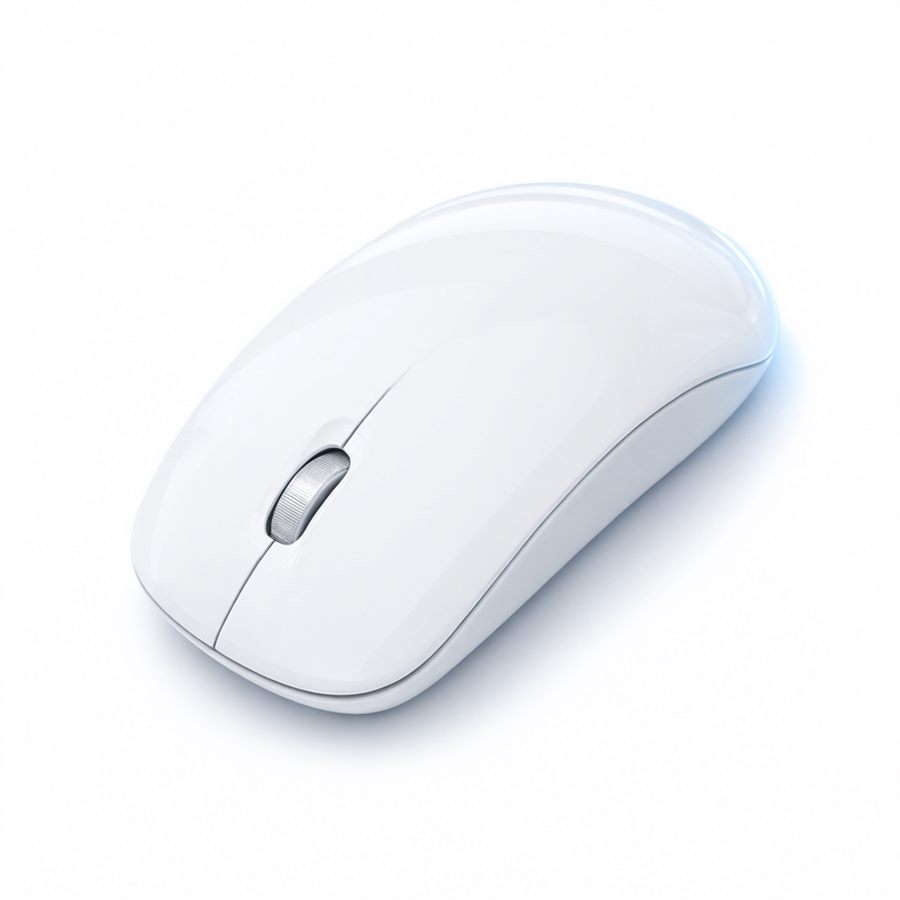
02

CX-HE magnetic switch

RAIL 60 HE · RAIL 80 HE

  • Actuation range0.1 – 4.0 mm
  • Rapid trigger step0.1 mm
  • Total travel4.0 mm
  • Operating force40 gf
  • Rated life100 M

Contactless, so it does not wear a contact out and does not need debouncing. It also cannot be hot-swapped for a mechanical switch — a magnetic board is a magnetic board for life, which is the trade we made and you should know before you buy one.

03

CX-LINK 2.4 GHz radio

Every wireless product

  • Median link latency0.62 ms
  • 99th percentile1.4 ms
  • Report rate1 / 2 / 4 / 8 kHz
  • Channel hoppingAdaptive
  • PairingDongle, 1:1

One dongle, one device, no shared receiver. It is less convenient than a universal receiver and it is the reason the 99th percentile figure above is 1.4 ms rather than something we would have to bury.

The range

Nine products. Every mouse is named for what it weighs.

AXIS 54 weighs 54 g. AXIS 47 weighs 47 g. Weighed without cable, with the standard skates on, on a 0.1 g scale. It is a constraint rather than a gimmick: a revision that gains weight gets a new name instead of a quietly edited spec sheet.

AXIS 54

$149

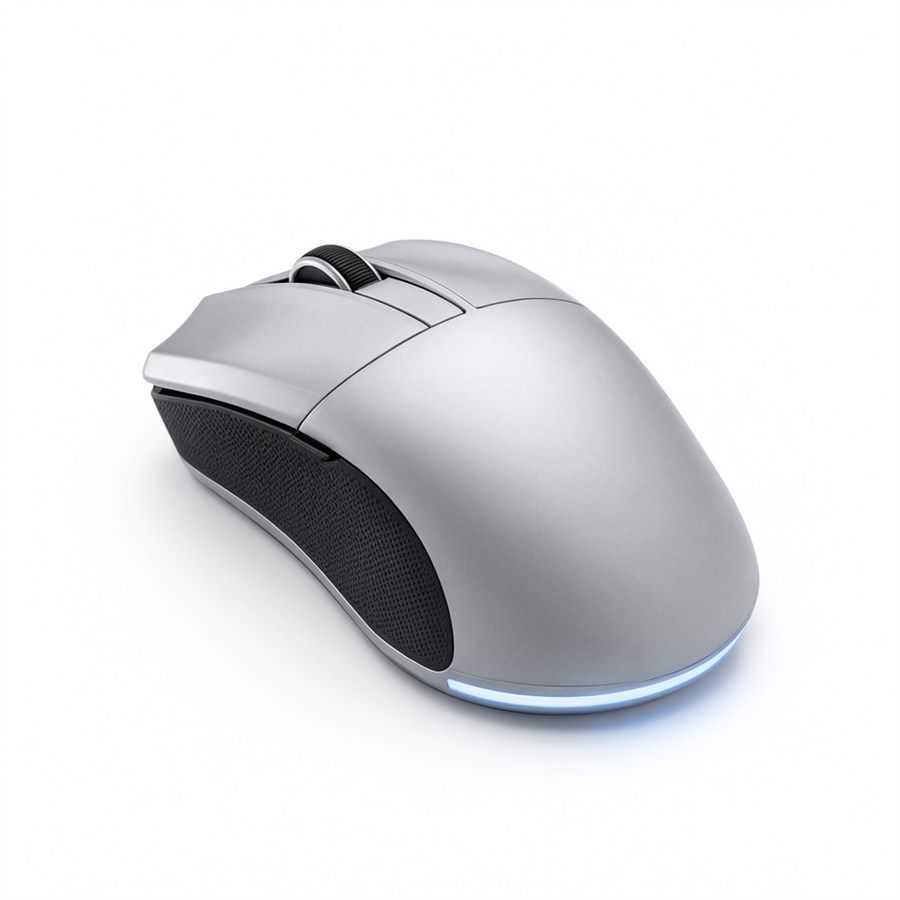
The symmetrical flagship. 124 × 63 mm, CX-30K sensor, optical main switches, 90 h at 1 kHz and 26 h at 8 kHz.

54 g8 kHzWirelessAmbidextrous

AXIS 47

$139

The same mouse for a smaller hand. 115 × 60 mm, shorter hump, identical internals. 80 h at 1 kHz, 23 h at 8 kHz.

47 g8 kHzWirelessSmall

CURVE 61

$149

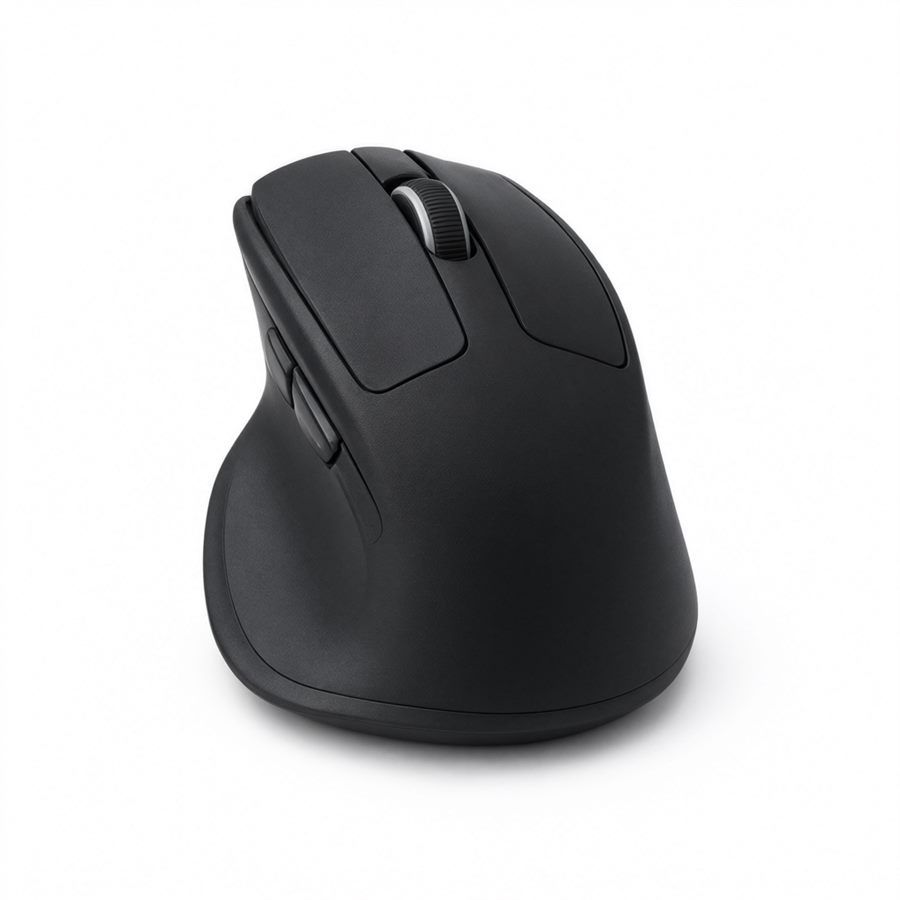
Right-handed ergonomic shell with a thumb rest and two side buttons. 95 h at 1 kHz, 28 h at 8 kHz. No left-handed version, and none planned.

61 g8 kHzWirelessRight hand

BASE 68

$59

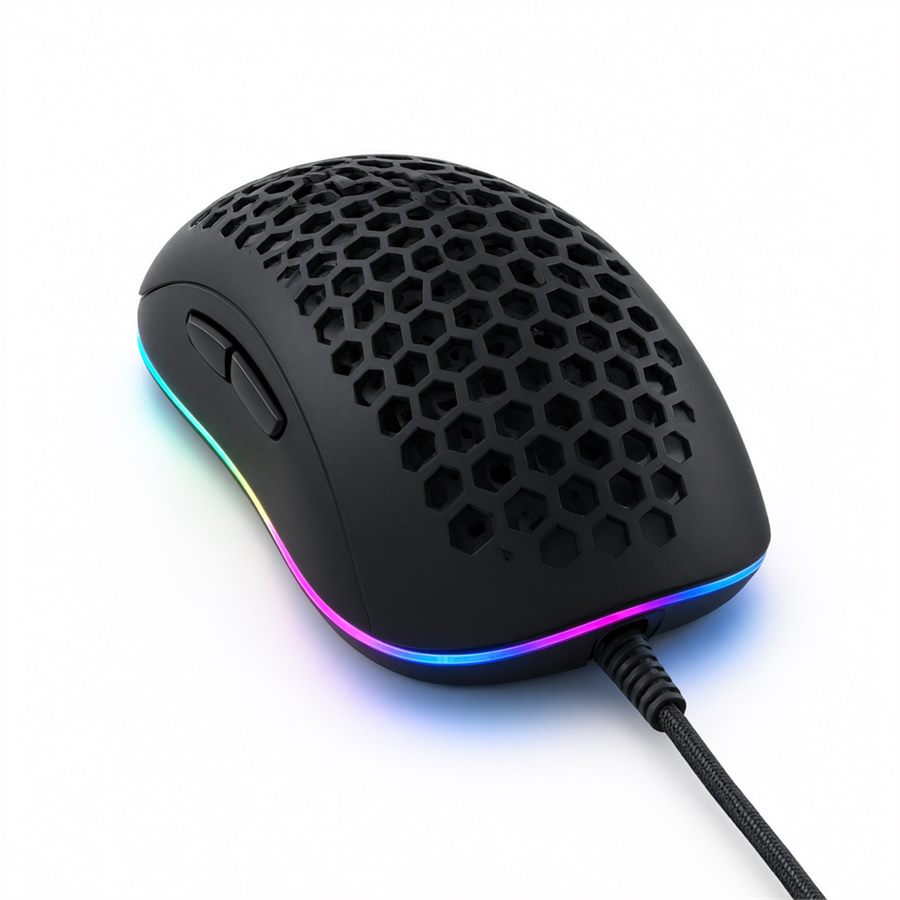
Wired, on a paracord that does not remember its packaging. CX-30K sensor, same 8 kHz firmware, no battery — which is why it is the lowest-latency mouse we sell.

68 g8 kHzWiredUSB-C

RAIL 60 HE

$169

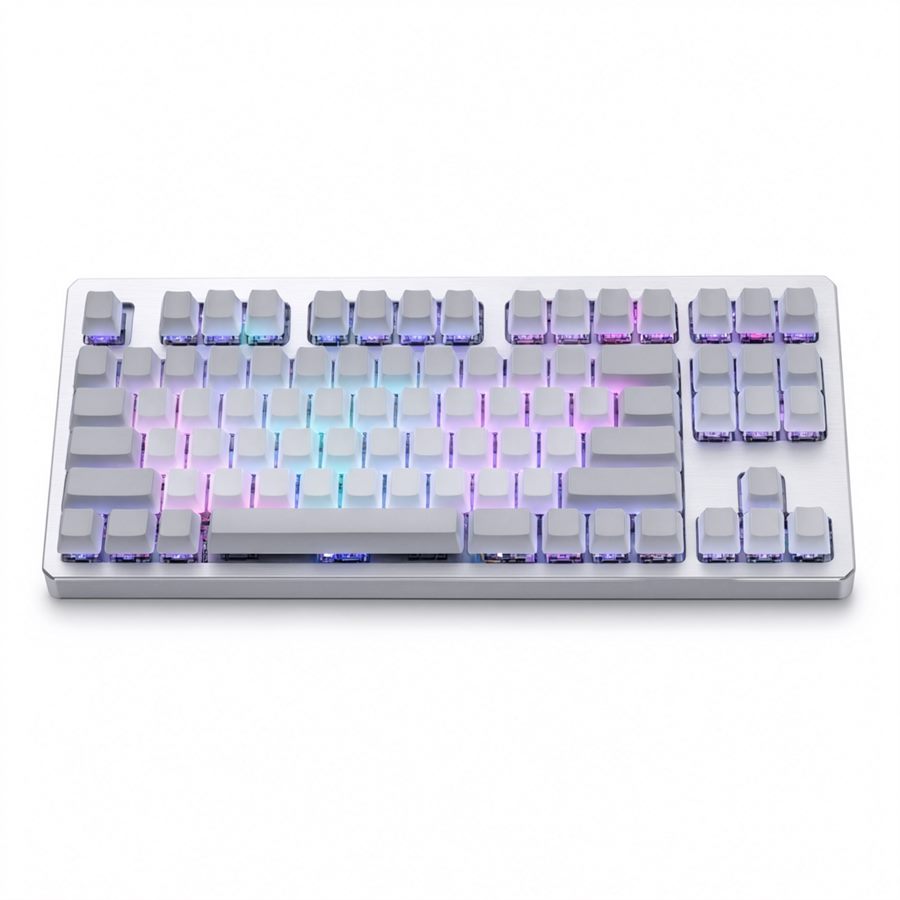
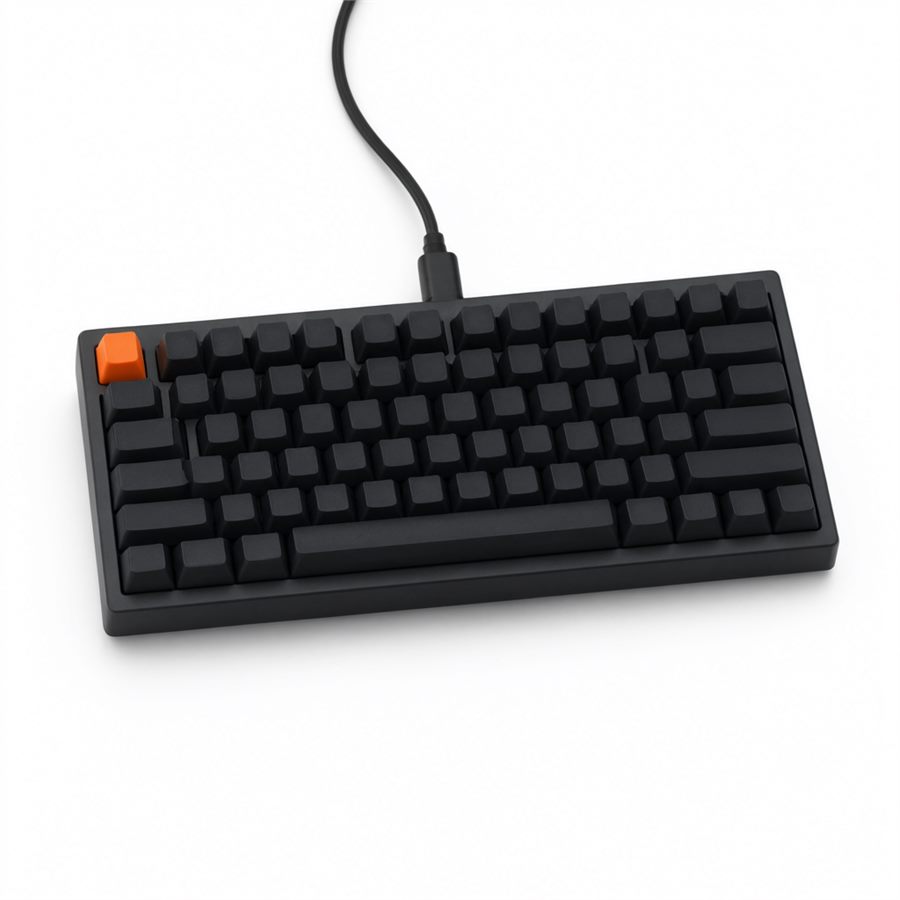
60 % magnetic analog board. Actuation anywhere from 0.1 to 4.0 mm, rapid trigger in 0.1 mm steps, per-key. Wired 8 kHz or wireless on CX-LINK.

0.1 mm8 kHzMagnetic60 %

RAIL 80 HE

$199

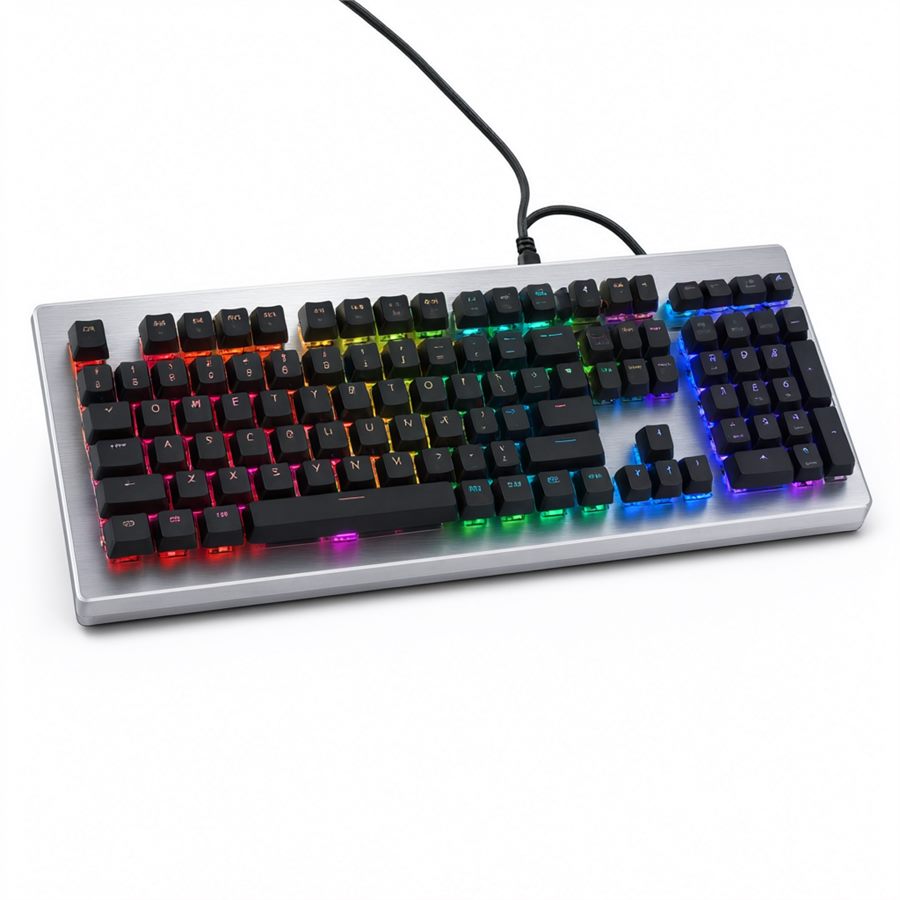
The same switch and firmware in tenkeyless, with a function row, a volume encoder and a gasket mount. The board most of our own testers use.

0.1 mm8 kHzMagneticTKL

ANVIL TKL

$129

Hot-swap mechanical for people who want to choose their own switch. Optical linears in the box, five-pin sockets, wired only, same 8 kHz firmware.

Hot-swap8 kHzOpticalWired

CHORUS PRO

$179

50 mm drivers, CX-LINK wireless plus USB-C, 70 h, 296 g on the head. Detachable boom with a cardioid capsule and a hardware mute that cuts the capsule, not the software.

70 h2.4 GHz50 mm296 g

CHORUS AIR

$99

40 mm drivers, 238 g, wired over USB-C or 3.5 mm. No battery, no dongle, no pairing — and no wireless version of it, because the weight is the product.

238 gWired40 mmUSB-C

The seating line

Three chairs, and not one millisecond between them.

Two of the three figures at the top of this page do not apply to a chair. There is no polling rate and no radio; there is a frame, a foam density and a number of hours before your back tells you the session is over. So the chairs are sold on their own number — and the five-year warranty is the one claim that does carry across the whole company.

SESSION

$449

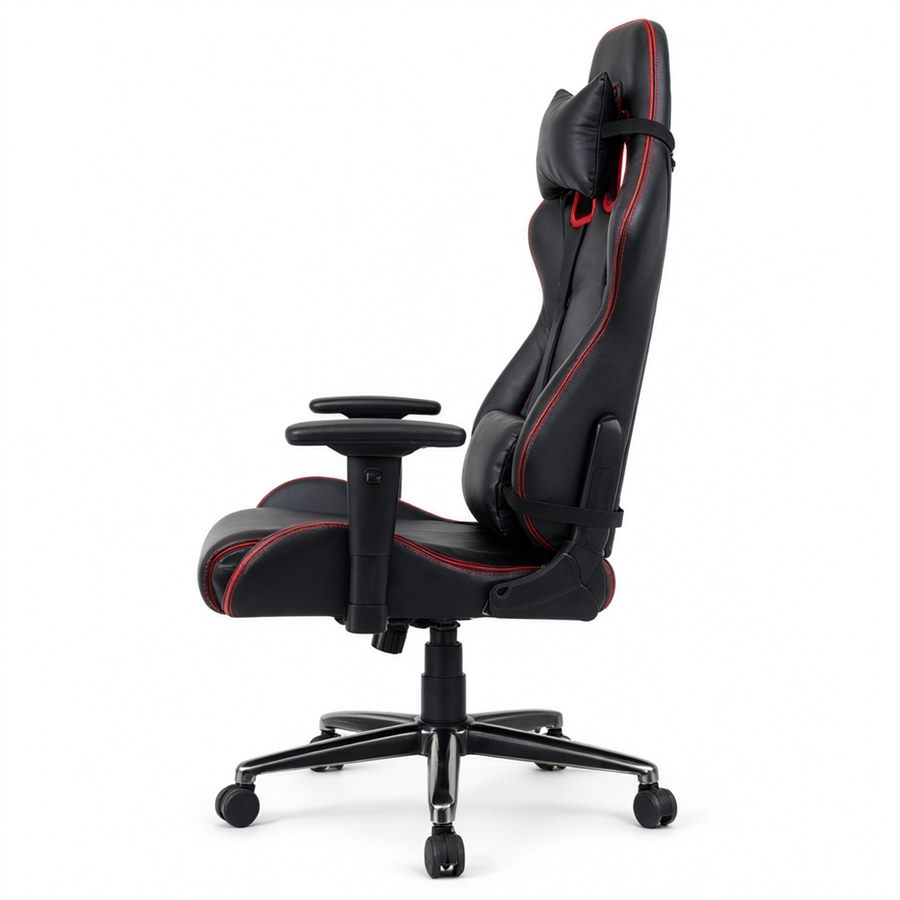
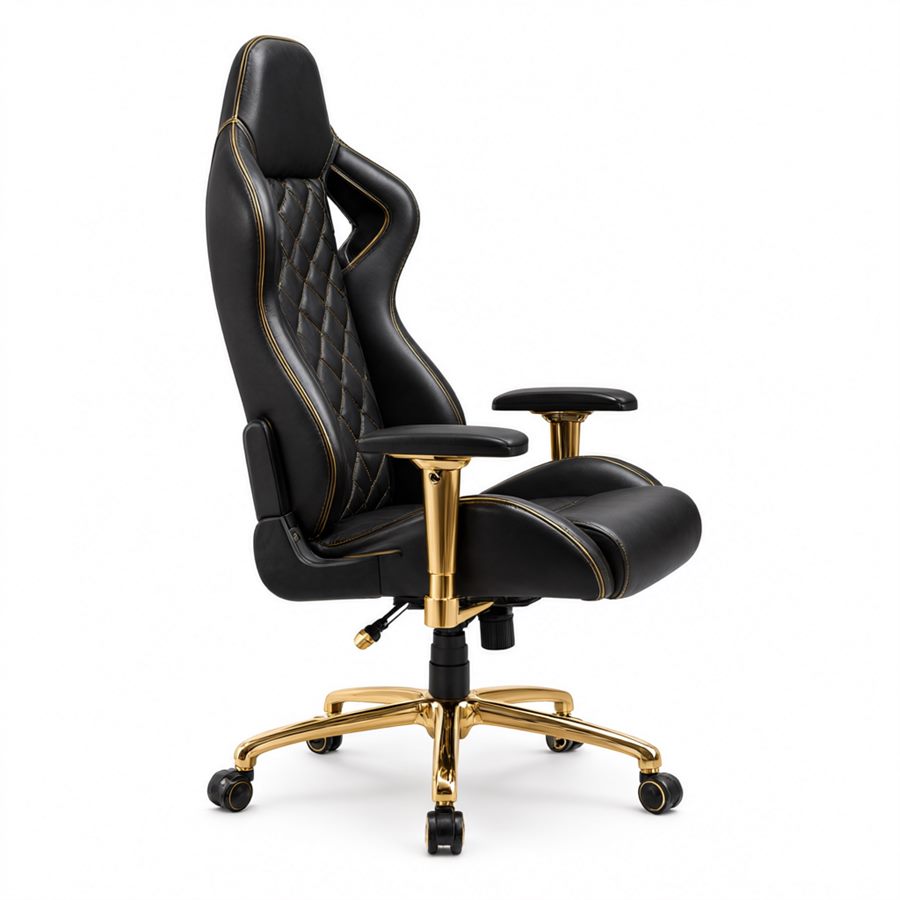
Cold-cure foam at 55 kg/m³, 4D armrests, 165° recline, class-4 gas lift, steel frame. Rated to 150 kg. For 165–185 cm.

150 kg165°4D5-yr frame

SESSION XL

$499

The same platform, wider seat base and taller backrest, on a 350 mm five-star aluminium base. Rated to 180 kg. For 180–200 cm.

180 kg165°4D5-yr frame

SESSION MESH

$429

Elastomeric mesh back instead of a padded shell — cooler, and without the racing bolsters, which some people want and some people cannot stand. Rated to 130 kg.

130 kgMesh back4D5-yr frame
  • A chair is furniture, not a medical device. We will not tell you a seat corrects your posture, prevents injury or improves your reaction time. It supports you while you decide to sit still for too long.
  • Three is the whole line. There is no fourth chair planned, no desk, no footrest and no mat. If that changes, this paragraph changes with it.
  • Assembly is 25 minutes and needs one person. The gas lift and base go together without tools; the backrest takes eight bolts and the included hex key.
  • Every wearing part is a spare part. Castors, gas lift, armrest tops and the seat cover are all orderable on their own for as long as the chair is in production.

How a product happens

Eight steps from a hand measurement to a sealed box.

01

Hand data

Grip length, palm width and finger span from 400 players across claw, palm and fingertip grips. The shape starts here, not at a render.

02

Shell

Printed, held, thrown away, printed again. Roughly thirty iterations before a shell is tooled, because tooling is the point of no return.

03

Sensor mount

Sensor position and lens height set against the tracking rig, on six surfaces, before the internal layout is frozen around it.

04

Switch

Optical for mice, magnetic for the RAIL boards. Force curve measured, not specified — a 40 gf switch that measures 47 gf goes back.

05

Radio

Antenna tuned in the chamber with forty competing devices running, because an empty chamber flatters every radio ever made.

06

Firmware

Onboard profiles, no background service, no account. Signed images, and every release stays downloadable after it is superseded.

07

Abuse

1.8 m drop onto oak in 26 orientations, 100 M switch cycles, and for chairs the full BIFMA X5.1 cycle set.

08

Pack

Moulded pulp, no plastic tray, no foam block. Spare skates, spare keycaps and the hex key go in the same box.

Build

The parts that wear out are the parts you can replace.

Nothing on a CEMMORONX product is glued shut to make it thinner. Skates, keycaps, earpads, cables, castors and gas lifts are all ordinary orderable parts, and the shells are uncoated on purpose — a soft-touch coating feels better in a shop and worse in year two.

  • No soft-touch coating anywhere. Uncoated PBT-blend shell, textured in the mould. It will not go tacky, because there is nothing on it to break down.
  • Virgin PTFE skates, with a spare set in the box. Not recycled, not "PTFE-coated". Replacements are $6 a set and always in stock while the mouse is in production.
  • USB-C on every single product. Including the chairs' lumbar-lighting option, which is the only reason a chair has a port at all.
  • Shell materialPBT blend
  • Mouse skatesVirgin PTFE
  • KeycapsPBT, 1.4 mm
  • CableParacord, USB-C
  • Mouse battery500 mAh
  • Headset battery1,100 mAh
  • Magnetic switch life100 M
  • Optical switch life80 M
  • Chair foam density55 kg/m³
  • Chair gas liftClass 4
  • Drop test1.8 m, 26 axes
  • Spare parts windowProduction + 3 yr

Measured, not asserted

What eight hours actually does to a seat.

Foam does not fail, it sags — slowly, and then all at once. These are our own cycle-rig results, expressed as the percentage of original seat height retained. The rig runs a 100 kg impact head at BIFMA X5.1 rates; a heavy user reaches 100,000 impacts in roughly four years of full-time use.

Out of the box100 %
25,000 impacts97 %
50,000 impacts95 %
100,000 impacts92 %
Cheap PU foam, 100,00071 %
165°Recline, lockable at any point
300,000Tilt cycles on the mechanism rig
55 kg/m³Cold-cure foam density
5 yrFrame, gas lift and mechanism

CEMMORONX Tuner

A web page that configures your device, then gets out of the way.

Tuner is a single page that talks to the hardware over WebHID. There is no installer, no background service, no account and no telemetry. Everything you set is written to onboard memory, so a configured device behaves identically on a machine that has never heard of us — including the tournament PC that will not let you install anything.

01

Settings live on the device

Four onboard profiles per device: DPI steps, actuation points, rapid-trigger depth, debounce, lighting and macros. Close the page and nothing is lost, because nothing was stored on your computer in the first place.

02

No account, no cloud, no telemetry

Tuner never asks who you are and never sends anything anywhere. There is no usage data, no crash reporting and no profile sync, which means there is also no profile sync — a real cost, stated plainly rather than hidden.

03

Firmware you can roll back

Every firmware image we have ever shipped stays downloadable, signed, with its changelog. If a release makes your board worse, you are one file away from the one that did not.

04

What Tuner will not do for you

No SOCD cleaning, no snap-tap, no null-bind resolution. Several tournament organisers now ban that behaviour, and firmware that is legal on one stage and disqualifying on the next has no business in your bag.

Tuner needs a Chromium browser and a cable.

WebHID is not available in Safari or Firefox. That is a genuine limitation of the approach we chose, and the alternative — shipping a background service to every customer — was worse.

Ask us about it

Quality

Six rigs, and every number on this site comes off one of them.

If a figure appears on this page it was measured here, not taken from a component datasheet. Where we quote a supplier's number we say so — the CX-30K's 750 IPS is the sensor vendor's figure, and it is the only one on this page that is.

Click-to-report rig

A solenoid presses the switch while a 10,000 fps camera and a logic analyser watch both ends. This is where the four latency figures come from.

Tracking stage

A linear stage sweeps the sensor across six surfaces at up to 6 m/s, checking for smoothing, angle snapping and jitter that a spec sheet will not show.

Switch endurance

100 million actuations per magnetic switch, 80 million per optical, with force measured at intervals rather than only at the end.

Drop and tumble

1.8 m onto oak in 26 orientations, then 500 tumbles in a drum. A peripheral that survives the desk should survive the bag.

Radio chamber

Forty competing 2.4 GHz devices in one room, running while we measure. The published latency figures are the congested ones.

Chair cycle rig

BIFMA X5.1: 100,000 seat impacts, 300,000 tilt cycles, 120,000 armrest cycles, plus a static load test to twice the rated capacity.

CE UKCA FCC Part 15C ISED RoHS REACH WEEE BIFMA X5.1 EN 1335 Bluetooth SIG

Shipping & returns

Free worldwide on peripherals. Quoted honestly on chairs.

A mouse weighs 54 grams and a chair weighs 25 kilograms, and pretending both cost the same to move would mean one of the two prices is a lie. Peripherals ship free and tracked everywhere; chairs ship free inside the markets listed at checkout and are quoted before payment everywhere else.

  • Dispatched within one working day of cleared payment, from stock. If something is not in stock we tell you the date before you pay, not after.
  • Thirty days to change your mind on anything, used or not, as long as it comes back complete. Return shipping on a chair is yours.
  • Duty and local tax are not included and are payable to your carrier or customs authority on arrival. We do not under-declare parcels.
$0Shipping on every peripheral
1 dayDispatch from cleared payment
30 daysReturns, used or unused
2 yrWarranty on peripherals

Questions

The nine we actually get asked.

Is 8 kHz polling actually worth it?
It removes 0.875 ms of average waiting compared with 1 kHz, and it costs you CPU: an 8 kHz device wakes the host eight thousand times a second, which on a busy machine can cost a few percent of a core and, on some systems, shows up as frame-time jitter. We ship 8 kHz because we can measure it, and we ship a 1 kHz mode in the same firmware because on some machines that is the faster setting overall. Try both.
Do I need your software, and does it phone home?
No, and no. Every setting lives in onboard memory on the device, so a configured mouse or keyboard behaves identically on a machine that has never seen our software. CEMMORONX Tuner is a web page that talks to the device over WebHID. There is no account, no background service, no driver install and no telemetry of any kind.
What does your latency figure actually mean?
It is the time from the switch changing state to the report arriving in the operating system's input queue, measured on our own rig with a 10,000 fps camera and a logic analyser. Median 1.1 ms, 2.0 ms at the 99th percentile, on 2.4 GHz wireless at 8 kHz. It does not include your monitor, your game engine or your network, and we do not add those to make the number look better. The full breakdown is four stages up this page.
Is the number in a mouse's name really its weight?
Yes. AXIS 54 weighs 54 g, AXIS 47 weighs 47 g, CURVE 61 weighs 61 g and BASE 68 weighs 68 g, each without cable and with the standard skates fitted, weighed on a 0.1 g scale. If a revision gains weight it gets a new name rather than a quietly updated spec sheet.
Do your keyboards do SOCD cleaning or snap-tap?
No. Rapid trigger and adjustable actuation are on every magnetic board we make, but we do not ship a feature that resolves simultaneous opposing cardinal directions for you, because several tournament organisers now ban it and firmware that is legal on one stage and illegal on the next is not something we want in your bag. If a governing body defines a permitted behaviour, we will implement that.
How long do the batteries actually last?
AXIS 54 runs 90 hours at 1 kHz with lighting off, and about 26 hours at 8 kHz. Both figures are on the page and on the box, because the 8 kHz figure is the one that matters if 8 kHz is why you bought it. Every product charges over USB-C and is fully usable while charging.
Is shipping really free everywhere?
Yes, for peripherals — every mouse, keyboard and headset ships free and tracked, wherever you are. Import duty and local sales tax are not included and are payable to your carrier or customs authority on arrival. Chairs ship free within the markets listed at checkout; outside them we quote freight before you pay, because a 25 kg box is not something anyone should absorb silently.
How do I order?
By email. There is no checkout on this site: tell us the product, the quantity and where it is going, and we send a payment link handled by a payment provider outside this site. We reply within one working day.
What does the five-year warranty cover?
Five years on chair frames, gas lifts and mechanisms, and two years on peripherals — switches, sensors, batteries and cables included, wear on skates and keycaps excluded. Statutory consumer rights in your country apply on top of this and are never reduced by it. The detail is in our terms.

Contact

Tell us what you want and where it is going.

There is no checkout here. Send the product, the quantity and the destination, and we reply within one working day with a payment link and a shipping date.

Emailcemmoronx@cemmoronx.com X@Cemmoronx
Reply timeOne working day
ShippingFree worldwide on peripherals